Brush Attack: A Unique Touch for Creative Workflows
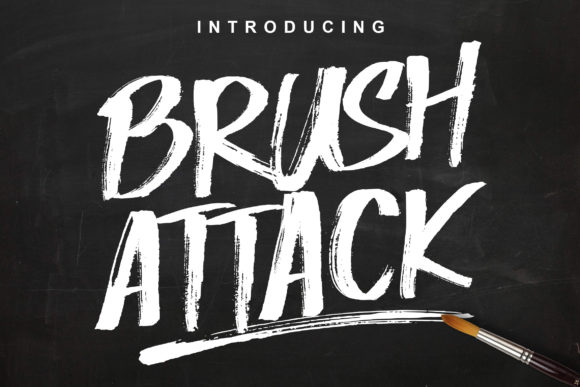
Brush Attack is a natural dry brush font that brings a handcrafted feel to digital design. Its textured strokes and organic shape make it ideal for projects that require a distinctive visual identity. Whether you're designing a logo, creating a poster, or adding flair to a quote, Brush Attack offers a fresh alternative to standard typefaces. This font fits seamlessly into various creative workflows, enhancing the aesthetic of any project that benefits from a personal, artistic touch.
Understanding how Brush Attack integrates into your process can help you maximize its potential. From initial concept to final execution, this font can be used at multiple stages to add character and depth. It’s not just a tool for typography—it's a way to express creativity in a more tactile, human manner.
Brush Attack in the Design Process
When starting a new design project, choosing the right font is an essential step. Brush Attack can be a strong candidate when you want to convey a sense of authenticity or handmade quality. For instance, if you're working on a brand identity, using Brush Attack for a tagline or headline can create a memorable visual signature. It works well with other design elements, such as illustrations or background textures, to maintain a cohesive style.
During the development phase, Brush Attack can be used to experiment with different layouts and compositions. Its irregular shapes allow for dynamic placement, making it easier to create visually engaging designs without relying on rigid structures. This flexibility makes it a useful tool for designers who are looking to break away from conventional typography and explore more expressive options.
Using Brush Attack in Different Projects
Brush Attack is versatile enough to be used across a wide range of applications. In graphic design, it can be applied to posters, banners, and social media visuals. Its bold, uneven strokes give it a striking presence, making it suitable for attention-grabbing headlines. For example, a music festival poster might use Brush Attack to highlight key details like dates, locations, or performer names, adding a sense of energy and spontaneity.
In the realm of apparel design, Brush Attack can be used to create unique logos or slogans for t-shirts, hats, or bags. The font’s texture adds a layer of depth that printed text alone might lack. When combined with screen printing or heat transfer techniques, it can produce a professional yet artistic result. This makes it a popular choice among independent designers and small businesses looking to stand out in a competitive market.
Integration with Other Tools and Methods
Brush Attack doesn’t work in isolation—it complements other design tools and methods. When paired with vector illustration software like Adobe Illustrator or Figma, it can be easily scaled and modified without losing quality. This compatibility ensures that it remains a flexible option throughout the design process, whether you're working on a high-resolution print piece or a digital interface.
For those who rely on design platforms like Canva or Adobe Express, Brush Attack can be added as a custom font to enhance the visual appeal of templates. These platforms often have built-in tools for adjusting spacing, alignment, and color, which can help fine-tune the appearance of the font. This integration allows even non-designers to incorporate Brush Attack into their work with minimal effort.
Practical Implementation Tips
To get the most out of Brush Attack, consider the following tips. First, test the font in different sizes and contexts to see how it performs. While it looks great in large headings, it may become less readable in smaller text. Always ensure that the font maintains legibility, especially in projects where clarity is important.
Another tip is to pair Brush Attack with complementary typefaces. Using it alongside a clean, sans-serif font can create a balanced look that highlights the uniqueness of the dry brush style. This contrast can help guide the viewer’s eye and improve overall readability.
Additionally, pay attention to color choices. Brush Attack has a natural, earthy tone that works well with muted or warm palettes. However, it can also be adapted to bolder color schemes depending on the desired effect. Experimenting with different hues can help you find the perfect match for your project’s mood and message.
Workflow Examples and Use Cases
Consider a scenario where a small business owner is launching a new product line. They need a logo that reflects creativity and innovation. By using Brush Attack for the main text, they can create a logo that feels more personal and approachable. This font choice can set the tone for the entire brand, influencing everything from packaging to marketing materials.
Another example is a designer working on a book cover. Brush Attack can be used for the title to add a sense of movement and energy. When combined with abstract shapes or watercolor effects, it can create a visually compelling design that captures the essence of the story. This approach can make the cover more engaging and memorable to potential readers.
Factors to Consider for Long-Term Use
When incorporating Brush Attack into your workflow, think about long-term usability. Ensure that the font is compatible with the software and devices you use regularly. Some platforms may not support custom fonts as seamlessly as others, so it’s important to verify this before committing to a project.
Consistency is another key factor. If you plan to use Brush Attack across multiple designs, maintain a consistent style to reinforce brand recognition. This includes using the same color scheme, spacing, and layout principles each time. Consistency helps build trust and professionalism, even when using a stylized font like Brush Attack.
Finally, consider the quality of the font itself. High-quality fonts like Brush Attack are typically well-designed and free from technical issues. They should render clearly at different sizes and on various devices. Always source fonts from reputable providers to ensure reliability and performance.
Conclusion
Brush Attack is more than just a font—it’s a tool that adds personality and creativity to design work. Whether you’re a professional designer, a small business owner, or a hobbyist, it can enhance your projects with a unique, handcrafted feel. By understanding how to integrate it into your workflow, you can unlock its full potential and create designs that stand out in a crowded market.
With careful planning and thoughtful application, Brush Attack can become a valuable asset in your design toolkit. Its versatility, ease of use, and distinct style make it a go-to choice for anyone looking to add a touch of originality to their work.