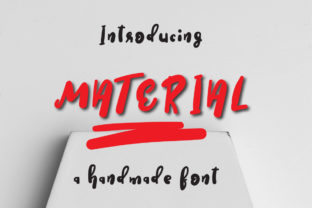
Material: A Bold and Eye-Catching Display Font for Standout Designs
In the world of design, typography plays a crucial role in capturing attention and conveying messages effectively. One font that has gained popularity for its unique style and striking appearance is Material. This display font is not just another typeface; it's a powerful tool that can elevate any design project, making it stand out in a crowded visual landscape. Whether you're working on a website, a marketing campaign, or a creative project, Material offers a bold and fun aesthetic that can transform your ideas into visually compelling statements.
What Is Material?
Material is a display font designed to make an impact. It features a modern, geometric style with clean lines and a playful twist that sets it apart from more traditional fonts. The font is characterized by its strong, angular shapes and a sense of movement that gives it a dynamic feel. This combination of structure and energy makes it ideal for projects that require a fresh, contemporary look.
Unlike serif or sans-serif fonts that are often used for body text, Material is best suited for headlines, logos, and other design elements where visual impact is key. Its boldness ensures that it commands attention without overwhelming the viewer, making it a versatile choice for a wide range of applications.
The Purpose and Significance of Material
The primary purpose of Material is to serve as a visual anchor in design work. In a world where first impressions matter, having a font that stands out can make all the difference. Material achieves this by combining simplicity with a touch of creativity, allowing designers to express their ideas in a way that is both clear and engaging.
One of the reasons Material is significant is its ability to convey emotion through typography. The font’s sharp angles and confident strokes can evoke feelings of strength, innovation, and modernity. This makes it particularly effective for brands that want to communicate a sense of energy and forward-thinking mentality.
Additionally, Material is a great choice for projects that aim to break away from the ordinary. By using a font that is not commonly seen in everyday design, creators can differentiate their work and create a unique identity. This is especially valuable in competitive industries where standing out is essential.
How Material Fits Into Modern Life and Work
In today’s fast-paced digital world, visual communication is more important than ever. From social media posts to mobile app interfaces, the need for eye-catching design elements is constant. Material fits perfectly into this landscape, offering a solution that is both functional and aesthetically pleasing.
For businesses, Material can be used in branding efforts to create a memorable logo or slogan. A well-designed logo can significantly enhance brand recognition, and a font like Material can help achieve that by adding a distinctive visual element. This is particularly useful for startups or new ventures looking to establish a strong presence in the market.
In the realm of education, Material can be used to create engaging presentations or educational materials. Its bold and clear style makes it easy to read, even when used in large sizes. This can be beneficial for teachers or educators who want to make their content more visually appealing while maintaining readability.
Practical Relevance in Creativity and Technology
Creativity and technology go hand in hand, and Material is a perfect example of how typography can bridge the gap between the two. In the field of graphic design, Material provides a fresh alternative to conventional fonts, allowing designers to experiment with new styles and approaches. This encourages innovation and helps push the boundaries of what is possible in visual communication.
From a technological standpoint, Material is compatible with a wide range of design software and platforms. Whether you're using Adobe Photoshop, Illustrator, or online design tools like Canva, you can easily incorporate Material into your projects. This accessibility makes it a practical choice for both professional designers and hobbyists alike.
Moreover, Material’s versatility extends to different mediums. It works well in print, digital formats, and even in animated designs. This adaptability ensures that it remains relevant across various industries and applications, making it a valuable asset for anyone involved in design work.
Examples of How Material Can Be Used
To better understand the potential of Material, let’s explore some real-world examples of how it can be applied:
- Logos: A tech startup might use Material for its logo to convey a sense of innovation and modernity. The font’s boldness helps the logo stand out, making it more memorable to customers.
- Headlines: In a magazine or website, Material can be used for article headlines to draw readers in. Its striking appearance ensures that the headline is noticed immediately.
- Social Media Posts: Brands can use Material in their social media graphics to create eye-catching posts that grab attention and encourage engagement.
- Product Packaging: For a product launch, Material could be used on packaging to create a visually appealing and cohesive brand image.
These examples illustrate how Material can be adapted to suit different needs and contexts, proving its value as a flexible and effective design tool.
Common Misconceptions About Material
Despite its popularity, there are some common misconceptions about Material that are worth addressing. One such misconception is that it is only suitable for certain types of projects. While it is true that Material is best suited for display purposes, it can still be used creatively in other areas with the right approach.
Another assumption is that Material is too bold or difficult to read. However, when used appropriately, it maintains a level of clarity that makes it easy to read, even at larger sizes. Designers can adjust spacing and size to ensure that the font remains legible while still making a strong visual statement.
It’s also important to note that Material is not a one-size-fits-all solution. Like any font, it has its strengths and limitations, and it’s up to the designer to determine whether it is the right choice for their specific project.
Conclusion
Material is more than just a font—it’s a powerful design element that can transform the way ideas are presented. Its bold, fun, and modern aesthetic makes it an excellent choice for a wide range of applications, from branding and advertising to education and technology. By understanding its purpose, significance, and practical relevance, designers can make informed decisions about when and how to use it effectively.
Whether you’re a seasoned designer or just starting out, exploring fonts like Material can open up new possibilities for creativity and expression. With its ability to capture attention and convey emotion, Material is a valuable addition to any design toolkit, helping to turn ordinary ideas into extraordinary visuals.